
No products in the cart.
-

Double sided
Double-sided circuits have two layers of copper laminated between polyimide dielectrics. In most cases, the two layers of copper are electrically connected by drilling small holes through the copper circuits and the separating dielectric. The holes are then plated with copper to make a connection between them. The slideshow below shows the artwork required for each layer of the circuit build.
$1,180.00 -

Multi Layer
Multi-layer flexible circuits combine several single-sided or double-sided circuits with complex interconnections, shielding and/or surface mounted technologies in a multi-layer design. The number of conductor layers designed into multi-layer flex circuits are limitless. The package size, layer count vs. flexibility is considered during the design layout for ease of installation. Below is a slideshow of a four layer flex circuit for a digital camera application.
$1,180.00 -
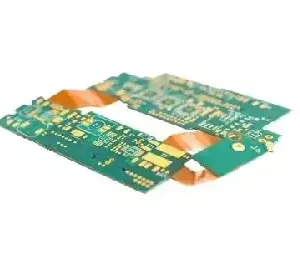
Rigid Flex
Rigid flex circuits combine the benefits of rigid boards and flexible circuits integrated into one circuit. The two-in-one circuit is interconnected through plated through holes. Rigid flex circuits provide higher component density and better quality control. The slideshow below shows an eight layer rigid flex circuit used for a medical device. Four layers are rigid and four layers are flexible. There are connectors required on two different sides of the circuit, which is carrying signals and power.
$1,180.00 -

Single sided
Single-sided flex circuits are the most basic type of flexible circuits. They have one layer of copper laminated between polyimide dielectrics. We chemically etch the copper layer to produce a circuit pattern specific to design requirements. Stiffeners, pins, connectors, and components, are optional. Single-sided flex circuits are durable across applications and are excellent for installations in with small spaces.
$1,180.00